Early detection stops potential biosecurity threat
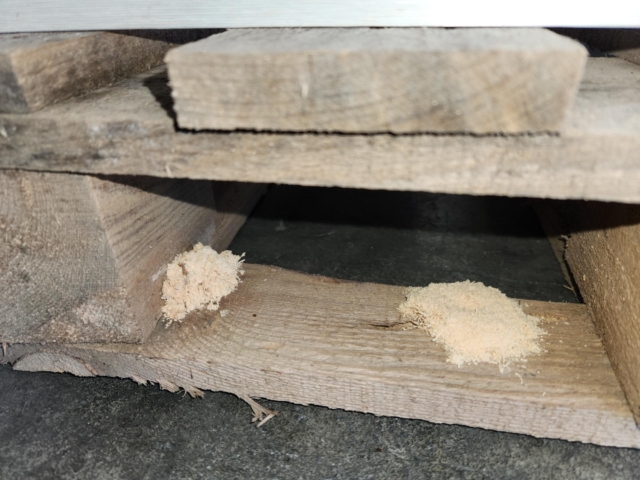
During the inspection of a container from Turkey, staff noticed several warning signs that
something wasn’t right, like small piles of fine dust known as insect frass. PHOTOS: MINISTRY FOR
PRIMARY INDUSTRIES
A sharp eye, a speedy response, and a strong working relationship between a Timaru-based transport company, an importer and Biosecurity New Zealand helped stop a potentially significant biosecurity threat.
On 24 February, staff at Brosnan Transport Limited (BTL) opened a container from Turkey of diced tomatoes in drums.
During the inspection, BTL’s Pete Corry, who is accredited by Biosecurity New Zealand to inspect shipping containers, noticed several warning signs on the wooden pallets supporting the cargo. These included extensive webbing, dead insects, and small piles of fine dust known as insect frass.
The BTL team immediately paused unpacking operations, secured the cargo and packaging inside the container, and contacted the local Biosecurity New Zealand team.
According to regional quarantine officer Mike Severinsen, it was exactly the sort of response that stops biosecurity threats from becoming much bigger problems.
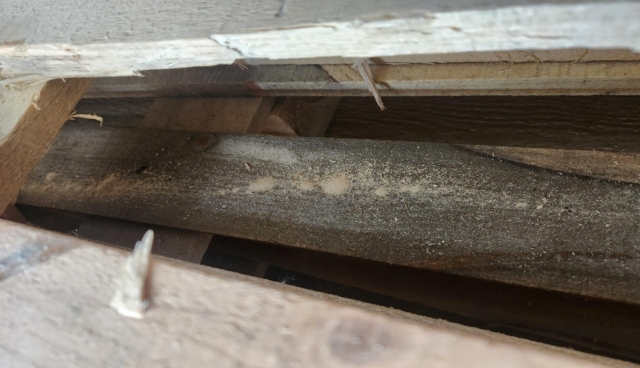
Unusual damage to pallets or packaging should be reported immediately to Biosecurity New Zealand
while the goods are contained.
“This is a really good example of the value of early detection. The signs were recognised quickly, work stopped immediately, and the issue was reported before any potential pest could spread beyond the container.”
Biosecurity New Zealand officers arrived on site soon after and confirmed the concerns raised by the BTL team. Following discussions with the importer and their agent, officers recommended a supervised devan and re-palletising of the consignment.
Because wood-boring pests were suspected, fumigating the entire consignment was not considered suitable due to the potential impact on the food cargo.
Working alongside Biosecurity New Zealand staff, the BTL team carefully isolated all 56 pallets, shrink-wrapped them, and reloaded them into a spare container for secure management.
Laboratory analysis later identified four live larvae collected from the pallets as belonging to the Cerambycidae family, commonly known as longhorn beetles. While the exact species could not be determined, several longhorn beetle species found in Turkey are internationally recognised forestry and agricultural pests.
“The discovery highlights why attention to detail matters,” says Mr Severinsen. “Something as small as fresh frass on a pallet can provide an important clue that leads to a significant interception.”
The affected packaging from the consignment was subsequently sent for steam sterilisation.
But the story did not end there.
A second consignment of diced tomatoes containing another 56 pallets showed similar signs of fresh insect activity. Once again, the BTL team identified the issue early, re-palletised the cargo, and worked closely with Biosecurity New Zealand to ensure the affected pallets were isolated and fumigated.
A recent third consignment also arrived with signs of infestation. Given the extent of contamination, the entire consignment was fumigated and sent for deep burial.
Mr Severinsen says the importer played an important role in managing the risk.
“Rather than treating the issue as an isolated event, they worked proactively with Biosecurity New Zealand and BTL to identify solutions and prevent future occurrences.
“The importer was understandably disappointed with what had been found and has been committed to helping resolve the issue,” says Mr Severinsen.
“They’ve taken the findings seriously and are exploring options to prevent a repeat, including reviewing their supply arrangements.”
Mr Severinsen also praises the efforts of the BTL team, who managed the repeated interceptions during an exceptionally busy period.
“BTL’s site was under significant pressure at the time, but the team never hesitated. They reported each find promptly, supported our investigations on site, diverted staff to carry out the labour-intensive re-palletising work, and helped coordinate multiple treatment requirements.
“These incidents created a lot of extra work for them, but they understood the importance of protecting New Zealand from unwanted pests and followed the correct processes every step of the way.”
For Mr Severinsen, the outcome demonstrates what can be achieved when industry operators and border officials work together.
“Strong biosecurity outcomes rely on strong partnerships. In this case, the importer, BTL’s container handling team, and Biosecurity New Zealand all worked together to manage the risk safely and efficiently.
“BTL’s biosecurity capability and its close working relationship with local quarantine officers played a key role in the response. Staff not only recognised the warning signs but were confident in the steps required to contain and report the issue.
“For people working with imported cargo every day, this is a reminder that vigilance makes a difference. Knowing what to look for and acting quickly helps protect New Zealand’s environment, primary industries, and economy.”
Mr Severinsen also acknowledges fellow Biosecurity New Zealand officers Heidi Weston and Helen Todd for helping foster a positive and supportive relationship with industry.
“Heidi and Helen have worked hard to create an approachable and educational environment where people feel comfortable contacting us when they see something unusual. That’s particularly important when businesses are busy and under pressure.
“Those relationships make a real difference when it comes to protecting New Zealand’s biosecurity system.”
The longhorn beetle threat
Longhorn beetles (family Cerambycidae) are wood-boring insects found throughout the world. Their larvae tunnel deep into timber and wooden packaging, where they can remain hidden for extended periods.
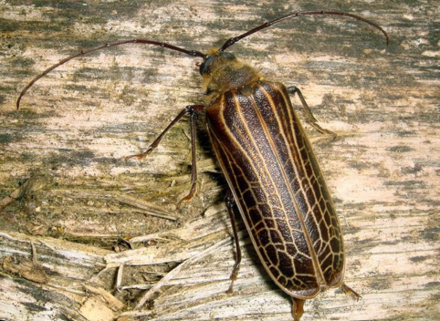
The huhu beetle – Prionoplus reticularis.
While New Zealand is home to native species such as the huhu beetle, some introduced longhorn beetles are serious pests capable of damaging forests, orchards and urban trees.
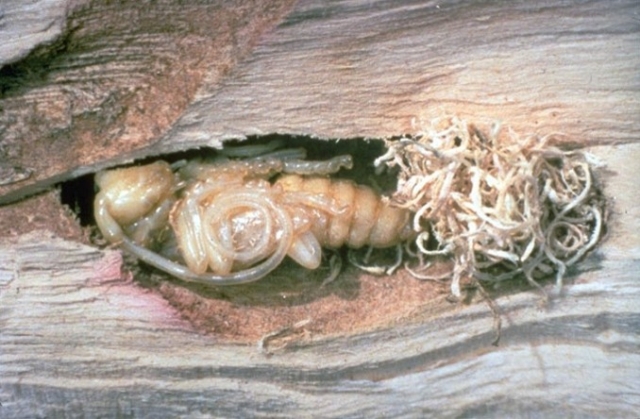
Pupa inside a log with frass from feeding.
Common signs of infestation include:
- Fine, sawdust-like material (frass)
- Round exit holes in timber
- Tunnelling or galleries inside wood
- Live insects or larvae
Species such as the Asian longhorned beetle (Anoplophora glabripennis) and citrus longhorned beetle (Anoplophora chinensis) have spread internationally through the movement of wood packaging and are considered significant biosecurity threats.
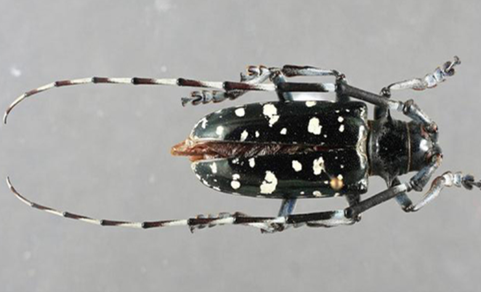
Asian Longhorn Beetle – Anoplophora glabripennis
Longhorn beetles and other wood-boring pests can be difficult to detect because much of their activity occurs inside the wood. That’s why early detection is so important.
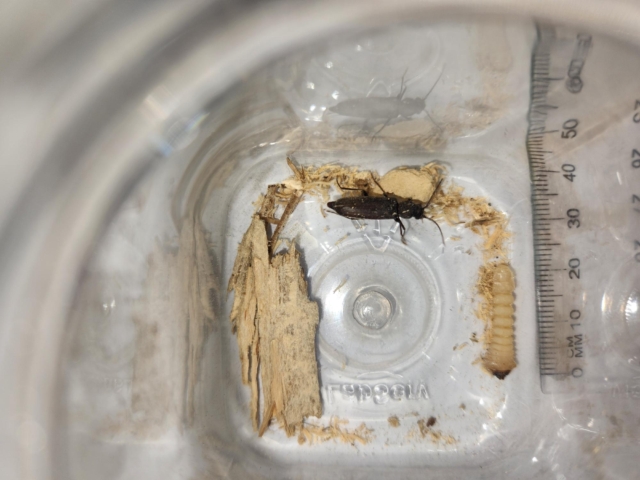
Live longhorn larvae and beetle.
If you notice insect frass, live insects, unusual damage to pallets or packaging, or anything else that doesn’t look right:
- Stop work immediately
- Contain the goods
- Report it to Biosecurity New Zealand